Quiz: Which Rank Are You In a Wolf Pack?

Do you want to know which rank you are in a wolf pack? Take this hunting, mating, and breeding quiz to find out if you’d be an Alpha, Beta, Omega, or just a lone wolf.

Which Rank Are You In a Wolf Pack

How to Guess Your Rank in a Wolf Pack

In theory, you are an Alpha wolf if you like to be in charge of a group. If you prefer to be the second-in-command and watch out for the group members, you’re likely a Beta. But if you choose to stay out of trouble and refuse to take charge, you’re Omega.

It’s also possible that you don’t fit in any of the wolf pack ranks. In that case, you are a lone wolf, a Beta who leaves the group to start its own pack.

Wolf Pack Rank Meaning
Alpha Leader
Beta Second-in-command
Omega Subordinate member
Lone Wolf A Beta who leaves the pack


Take the Wolf Role Quiz to Discover Your Position

By taking the test, you find out what you’d do if you lived in a K9 pack: Would you become the leader? Would you be the warrior? Or would you rebel against the hierarchy and start your own independent journey?

Knowing your wolf pack rank differs from discovering your animal spirit. It’s more of a behavioral analysis, determining your role in social environments.

Which of the Four Wolf Pack Ranks Are You?

To accurately decide which role one could have in a group of predators, you need more information than their typical behavior.

In other words, just because your boss leads the company doesn’t mean they’re an Alpha male or female. They could actually have the lowest rank, Omega, due to their passive social behaviors.

So, unlike determining one’s dog breed type, you can’t be certain about someone’s wolf role knowing only their basic features. Regardless of their social status, any individual could have one of the following ranks.

Alpha:

Also called the leader, an Alpha wolf is in charge of everyone in the pack. It decides when to hunt, who to attack, and who to eat first.

Beta:

Theoretically, some wolves in a pack become the second-in-command unit, fighting and hunting for the group under the Alpha’s lead.

Omega:

The term was coined to refer to wolf packs’ lowest-ranked and weakest members.

Lone wolf:

When a Beta leaves the pack to start its own family, it becomes a lone wolf.

Other Interpretations of the Wolf Roles

Alpha, Beta, and Omega have created a whole subgenre in art, literature, and cinema. (Take Omegaverse as an example). But that’s not how most scientists categorize wolves. In fact, there are other interpretations based on breeding and relationships as opposed to power hierarchies.

According to the International Wolf Center, “most wolves who lead packs achieved their position simply by mating and producing pups, which then became their pack.” So, you could call them breeders or parents.

There’s another classification with four prominent roles: Leader, Warrior, Mother, and Guardian. But it’s pretty similar to the Alpha-Beta-Omega theory. The only difference is the Guardian rank, young wolves who are supposed to protect the pups when other males are unavailable.

The Problem with the Alpha-Beta-Omega Theory

Your biggest question might be something as innocent as, “What role am I in a wolf pack?” But there’s a catch: The idea of wolves living in precisely ranked communities is a myth.

Unfortunately, some people have used the idea of Alpha-Beta-Omega structures to justify their rude, inconsiderate, toxic, and even inhumane behavior. But recent studies show that wolves don’t fight or bully each other to gain power over others.

  1. David Mech, the American biologist who popularized the term Alpha wolf, has tried to inform everyone that he made a mistake. He realized that Alpha wolves are just parents of the pack members.

So, unlike what the media suggests, it’s not the most masculine, badass wolf who gets to lead others after beating his opponents up or tearing them apart. Wolves simply follow their moms and dads like most other species.

Are You a Leader, Follower, Protector, or Breeder?

Whether it’s scientific or not, knowing what role you have in a wolf pack is fun. So, we created an engaging quiz to expose your rank based on your social persona.

But you have to answer the questions as if you were a wolf. That’s how you find out if you are a reliable leader, a daring warrior, a caring protector, or a guard.

By the way, if you’re interested in fun personality quizzes inspired by wildlife, check out our “What Animal Am I Quiz.” It’s a series of creative questions that reveal your inner creature with accuracy.

Disclaimer: Read Before Taking the Quiz

QuizExpo is against any form of discrimination. We are aware that specific groups of people validate their toxic behavior by calling themselves Alpha. However, we’ve made a concerted effort to keep the quiz results both toxicity-free and educational—as well as entertaining.

Please contact us if you find any questions or results inappropriate or misleading.

Now, hit the start button and discover your position in an actual wolf pack!
Leave a Reply

Your email address will not be published. Required fields are marked *

Questions of The Quiz

1
Why do you think wolves have specific ranks in their packs?
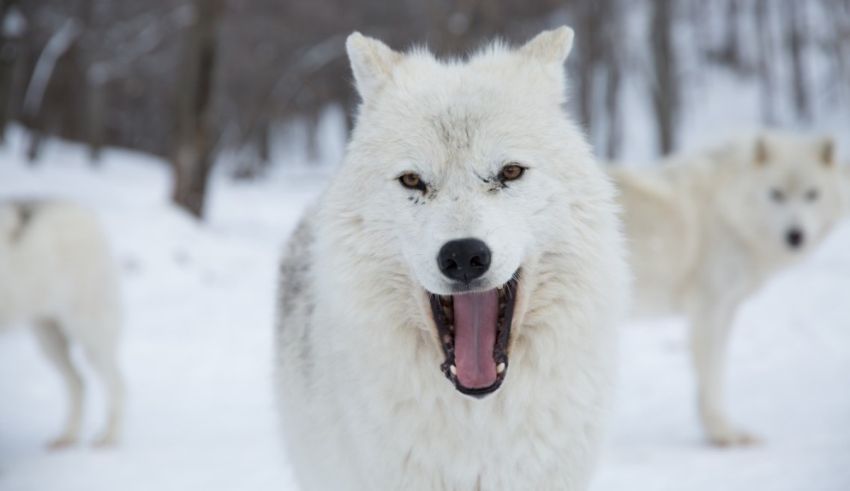
A group of white wolves standing in the snow with their mouths open.
  • To survive other wolves’ attacks

  • To hunt better

  • It’s probably just an instinctive thing.

  • It’s because most wolves are scared of the Alpha.

  • I have no idea.

2
What makes wolves unique?
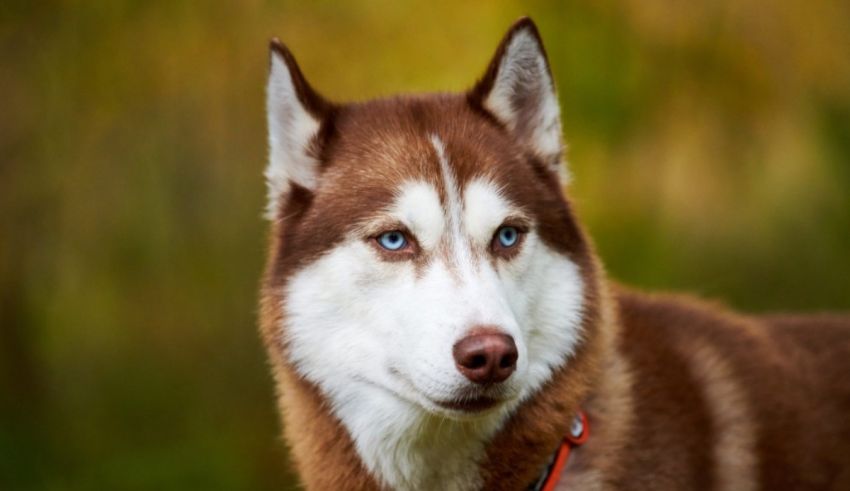
A husky dog with blue eyes is looking at the camera.
  • Their soldier-like attitude.

  • Their intelligent hunting strategies.

  • Their monogamous nature.

  • Their strength.

  • I think wolves are overrated.

3
How would you feel about hunting if you lived among wolves?
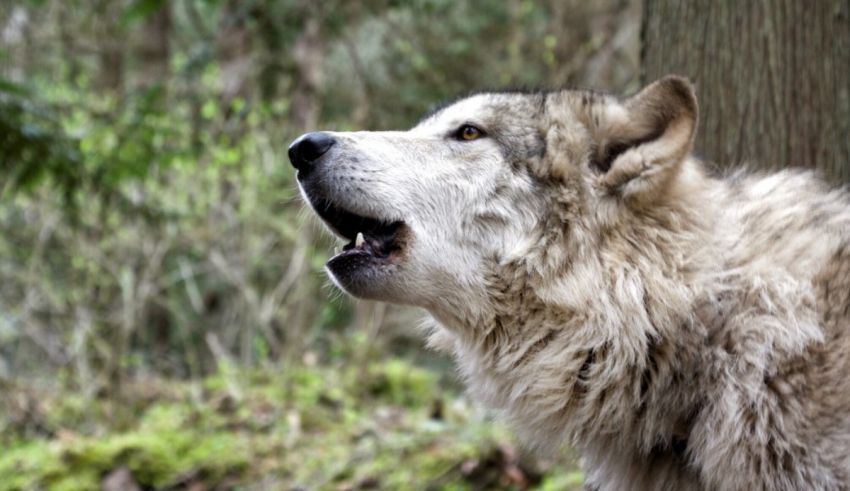
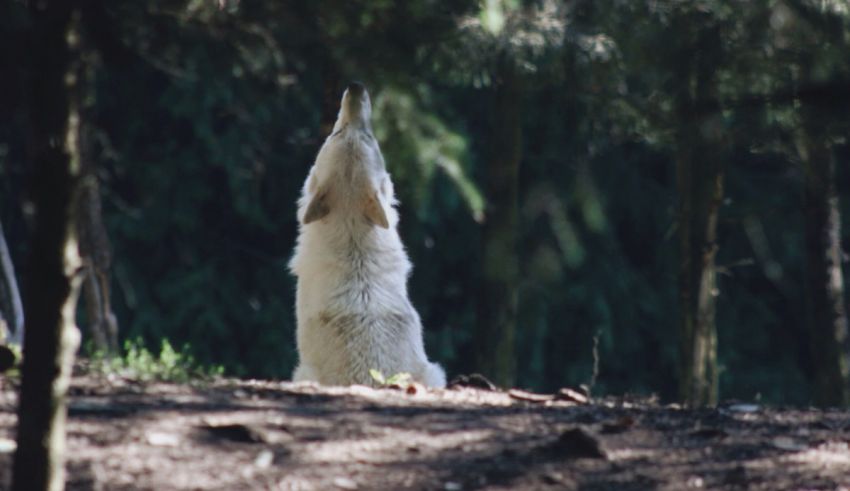
A white wolf is howling in the woods.
  • I’d love it.

  • I wouldn’t like it. But I’d do it to survive.

  • I’d ask others to hunt for me because I hate doing that.

  • I’d probably enjoy hunting alone.

  • I dislike all kinds of savagery.

4
What would you do if your pack’s leader wasn’t qualified for the position?
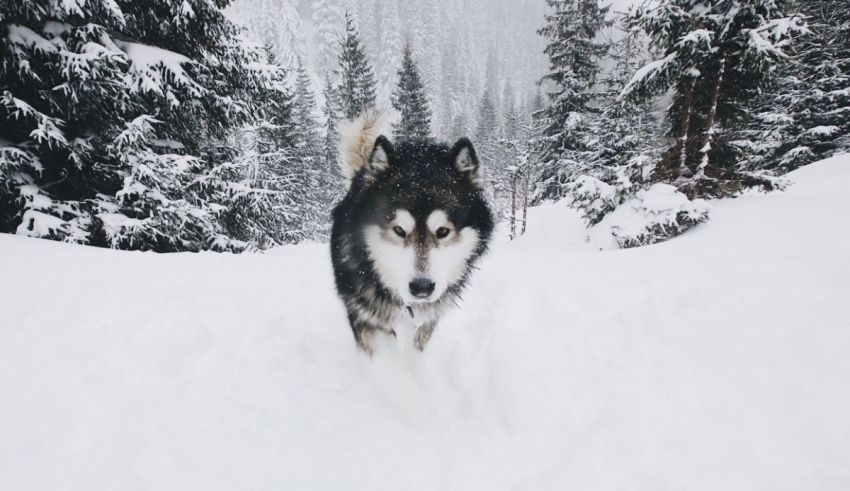
A husky dog running through the snow.
  • I’d try to replace it.

  • I’d help it improve.

  • I’d mind my own business and do nothing.

  • I’d leave the pack and create my own superior group.

  • IDK. I’m not a wolf.

5
Relying on your instincts, what kind of partner would you choose to breed?
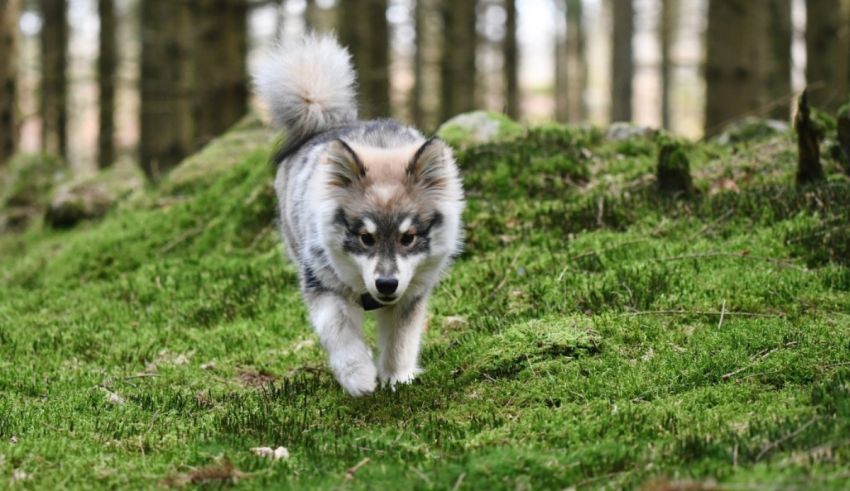
A grey and white dog running through a forest.
  • Healthy and strong.

  • Smart and intuitive.

  • Kind and protective.

  • I don’t like the idea of breeding.

  • I wouldn’t choose my partner based on my “instincts.”

6
What part of wolves’ social life is interesting?
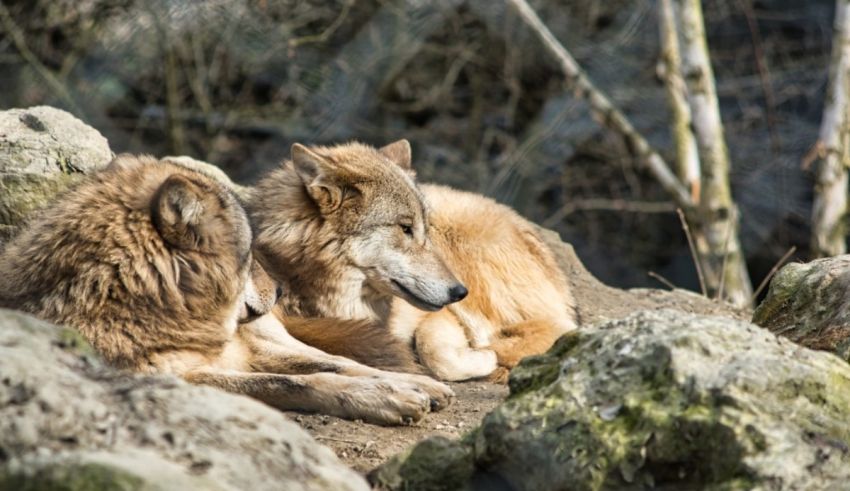
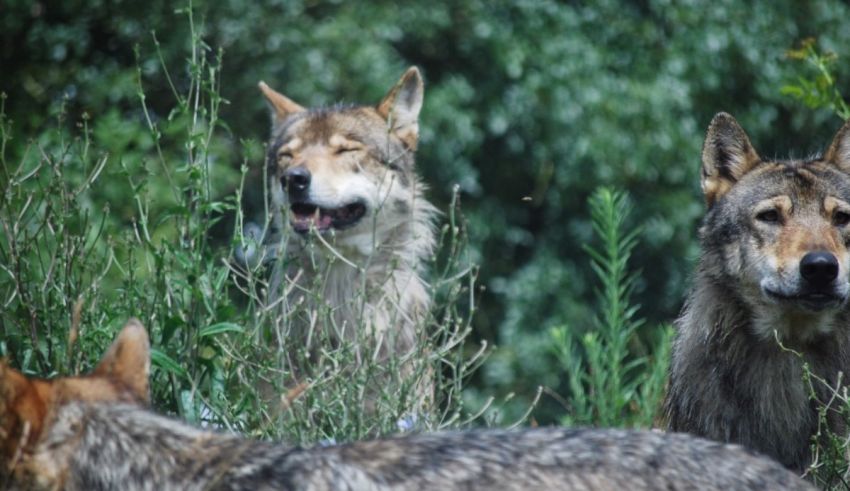
Two wolves resting on rocks in a zoo.
  • Their hierarchy of power.

  • Their mating and breeding.

  • Their parent-child relationship.

  • Their somewhat democratic leadership.

  • I don’t know anything about their lives.

7
What could be your priority if you were a wolf pack’s leader?
A coyote is walking through the woods.
  • Breeding and growing our pack.

  • Protecting the cubs.

  • Saving enough food to survive rainy days.

  • Training young wolves to create a loyal army of warriors.

  • I don’t know.

8
How would you treat the elderly members of your pack?
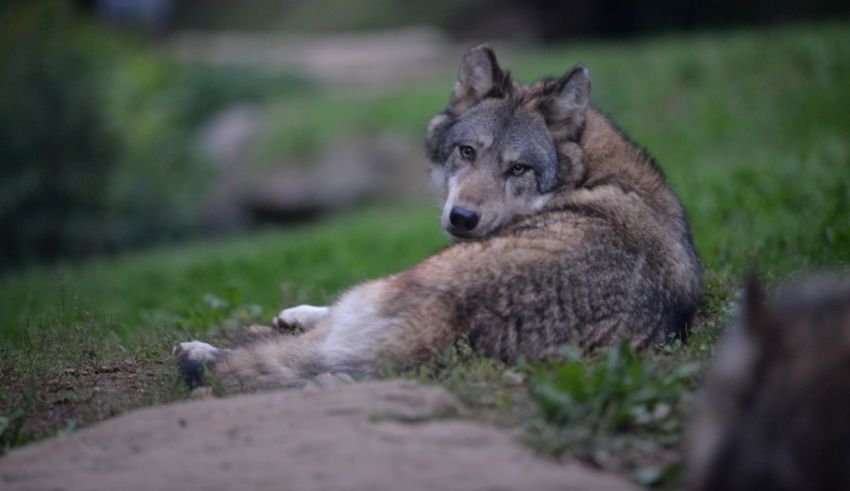
A gray wolf is laying down in the grass.
  • I’d respect them.

  • I’d protect them.

  • I’d probably spend most of my time with them.

  • I’d avoid them. I don’t like hanging out with the elderly.

  • I’d treat them like everyone else because age is just a number.

9
Which of the following elements could symbolize the wolves’ nature?
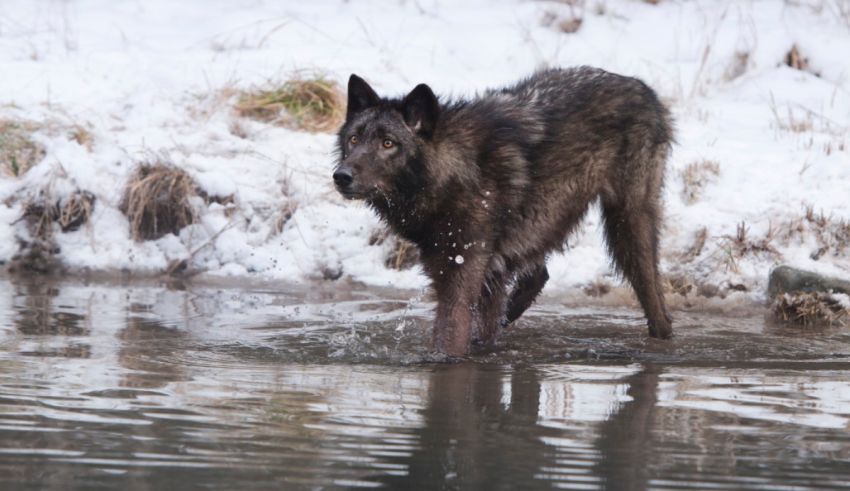
A gray wolf wading in a body of water.
  • Blood

  • Claws

  • Teeth

  • Bones

  • I don’t know

10
How often do you rely on your instincts to make important decisions?
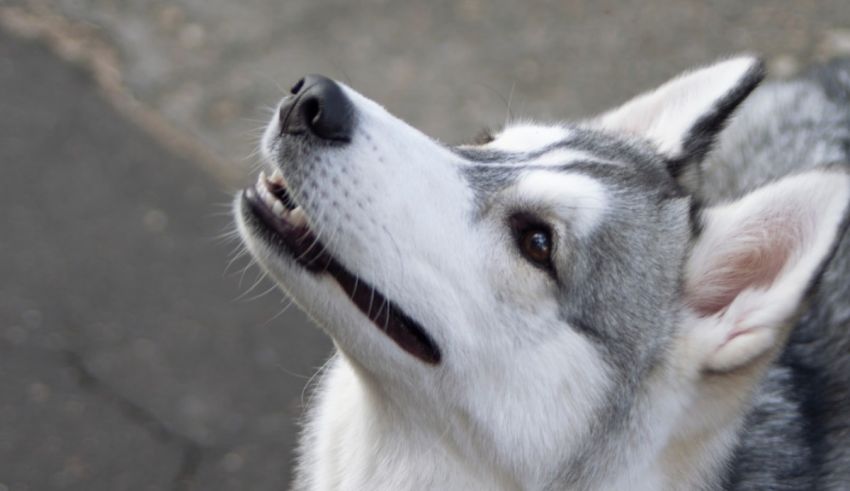
A husky dog looking up at the sky.
  • Always

  • More often than not.

  • Rarely.

  • It depends.

  • Never.

11
What are you good at?
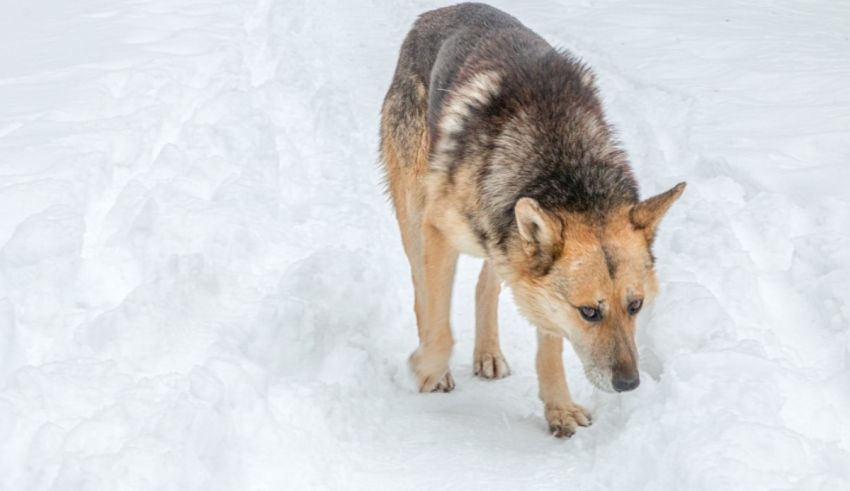
A wolf is walking through the snow on a path.
  • Analysis

  • Communication

  • Entertainment

  • None of them

  • All of them

12
Which one matters the most?
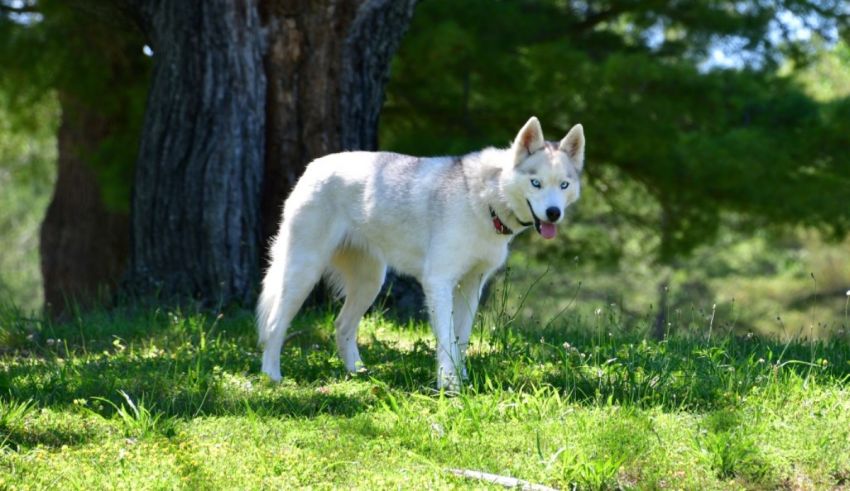
A white husky dog standing in the grass.
  • Physical strength

  • Mental health

  • Looks/appearance

  • Mindset

  • All of them, duh.

13
What would you like to teach to people that are younger than you?
A group of grey wolves are standing in the grass.
  • Self-defense

  • Self-love

  • Self-confidence

  • Self-reliance

  • None of the above.

14
Does any of the following statements describe you?
A white wolf standing in the woods.
  • I’m a natural mom/dad.

  • I’m like an older sibling.

  • I’m like a younger sibling.

  • I’m like the cool uncle/aunt everyone loves.

  • I’m like a grandparent.

15
What kind of people make great leaders?
A wolf is standing in a field of flowers.
  • Experienced

  • Smart

  • Kind

  • Assertive

  • People who’re trained for a leadership position.

16
How would you react if another wolf pack attacked yours?
A group of wolves with their mouths open.
  • Protecting the kids and she-wolves.

  • Preventing casualties at all costs.

  • Getting to a safe place.

  • Distracting the attacking pack so my friend and family can escape.

  • IDK. I’m not a wolf.

17
What’s the best war strategy?
A husky dog is standing in the water.
  • An all-out attack.

  • A planned counter-attack.

  • Defense

  • Stealth attack

  • I don’t know.

18
What do you think of disloyal people?
Three spotted hyenas standing in a grassy area.
  • I hate them.

  • Meh, I can’t say I like them.

  • I relate to them.

  • I don’t get them.

  • It depends.

19
How often do you feel a need to socialize?
A white wolf standing in the woods.
  • All the time.

  • Frequently.

  • Rarely.

  • Never.

  • It depends.

20
Final question; how good are you at following the orders?
A gray wolf is standing in a field.
  • I’m better at giving orders than following them.

  • It depends on who’s giving the orders.

  • I’m really good at following orders.

  • I’m terrible at following orders.

  • It depends on the order.